Students Asked to Add 1,000+ People on WeChat!

A marketing course has become a popularity contest with a university in central China requiring students to add more than 1,000 contacts to their WeChat accounts to earn a pass, according to Chinese media reports.

Students Asked to Add 1,000+ People on WeChat!


Students enrolled in Henan University of Finance and Economics’ course on social media operations must add 1,001 new contacts to pass and 1,667 to get a distinction.

The course, run by the university’s school of communications, teaches students about marketing and promotion on social media, particularly WeChat, China’s biggest social media network with more than 1 billion users.

Students Asked to Add 1,000+ People on WeChat!

The app, operated by Chinese internet giant Tencent, is a conduit for games, shopping, news, payments and personal posts.

Many students complained about the requirement online, saying the number was too high and there was no way they could meet so many new people and add them to their WeChat accounts.

Responding to the complaints, the university said the requirement had an academic purpose and staff discussed the issue last week with students who had signed up for the course.

“Trashtag Challenge” Goes Viral on Social Media!

Some social media challenges don’t have good intentions, however, #Trashtag, a new movement encouraging people to clean up garbage worldwide, is spreading positive vibes on social media.

© Image | Google

1

In the Trashtag Challenge, users pick a place filled with litter, clean it up, and post before and after pictures.

Volunteers have made beaches, parks and roads trash-free while also raising awareness of the quantity of plastic litter we produce.

© Image | Instagram

This group in Novosibirsk, Russia, said they had collected 223 bags of litter, 75% of which would be sent for recycling.

© Image | Instagram

2

The challenge was reportedly created in 2015 by outdoor company UCO Gear as part of a campaign to protect wilderness areas.

© Image | Twitter

But a Facebook post last week directed at “tired teens” has apparently given it new life and made the hashtag viral.

© Image | Facebook

On Instagram alone, there were more than 25,000 posts with the hashtag #trashtag – variations include #trashtagchallenge and #trashchallenge.

In Spanish, it has been translated to #BasuraChallenge.

© Image | Twitter


3

In China, this online challenge also goes viral on Chinese social media-Weibo, with 20 million netizens focusing on this challenge, which sparked heated discussions about the environment.

Some people said “We are happy to accept the challenge, We’re very professional at picking up trash. More people are invited to take part in the challenge.”


© Image | Weibo


It’s unclear how long #Trashtag will thrive on social media.


However, the viral movement has led to more outdoor spaces looking cleaner (and trash-free) around the globe. 

OMG! 35,000 Fake Restaurants Found on China Food Delivery Apps!

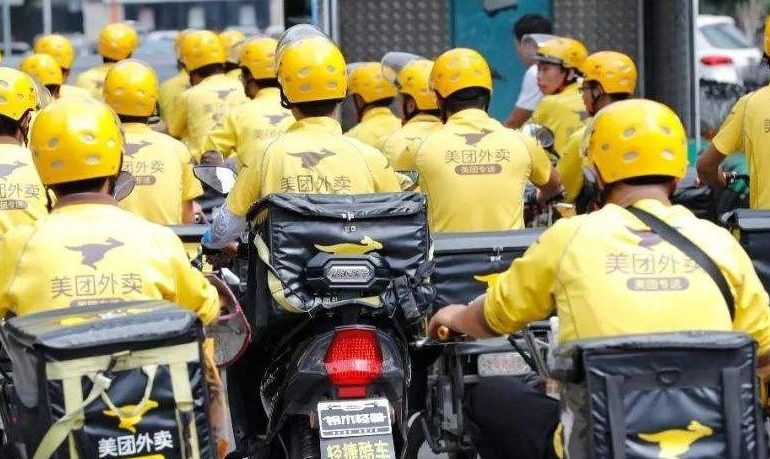
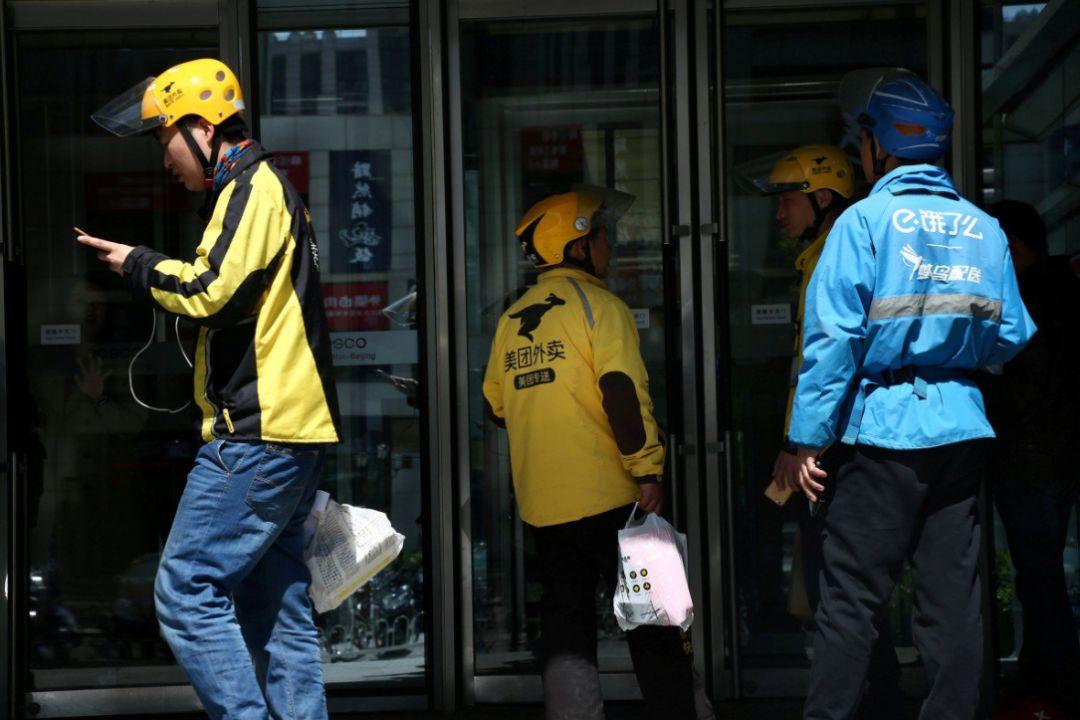
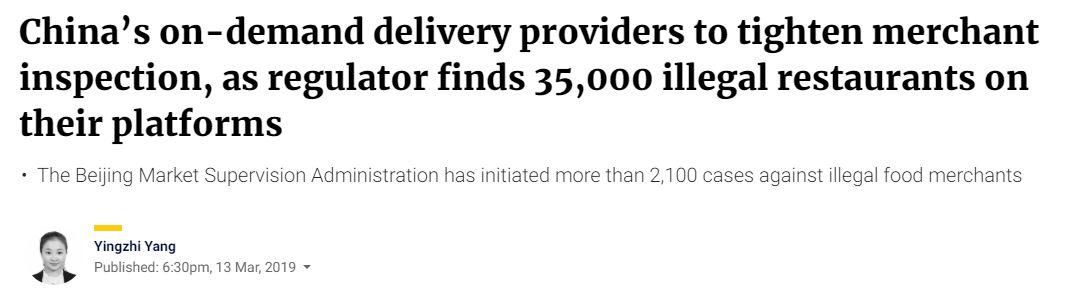
China’s food regulator has discovered up to 35,000 restaurants illegally using food delivery apps with a fake license or no license to operate at all.

OMG! 35,000 Fake Restaurants Found on China Food Delivery Apps!

The Beijing Market Supervision Administration also blamed these food delivery apps for not having a strict inspection system to review its vendors, reported the South China Morning Post.

OMG! 35,000 Fake Restaurants Found on China Food Delivery Apps!

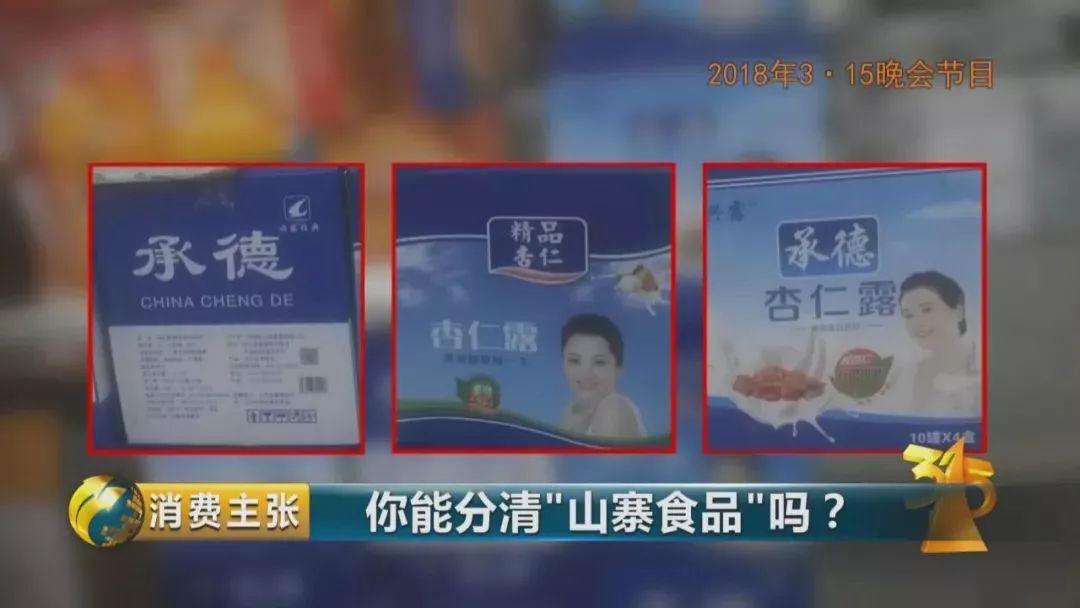
China has long been plagued cases by 

  • Fake rice, 

  • Milk powder, 

  • Recycled cooking oil 

  • Tainted fast food, 

  • etc.

And as a result, has been taking food safety very seriously. It even uses blockchain technology to prevent food fraud.

The offending restaurants were not identified, but delivery apps such as Meituan Dianping, has vowed to strengthen its inspection system as well as set up food safety insurance for users.

Together with Alibaba platform Ele.me, both food delivery services together make up for 98 percent of food delivery services in China, with the size of the market exceeding $46.5 billion last year.

It’s time to test your eyesight!

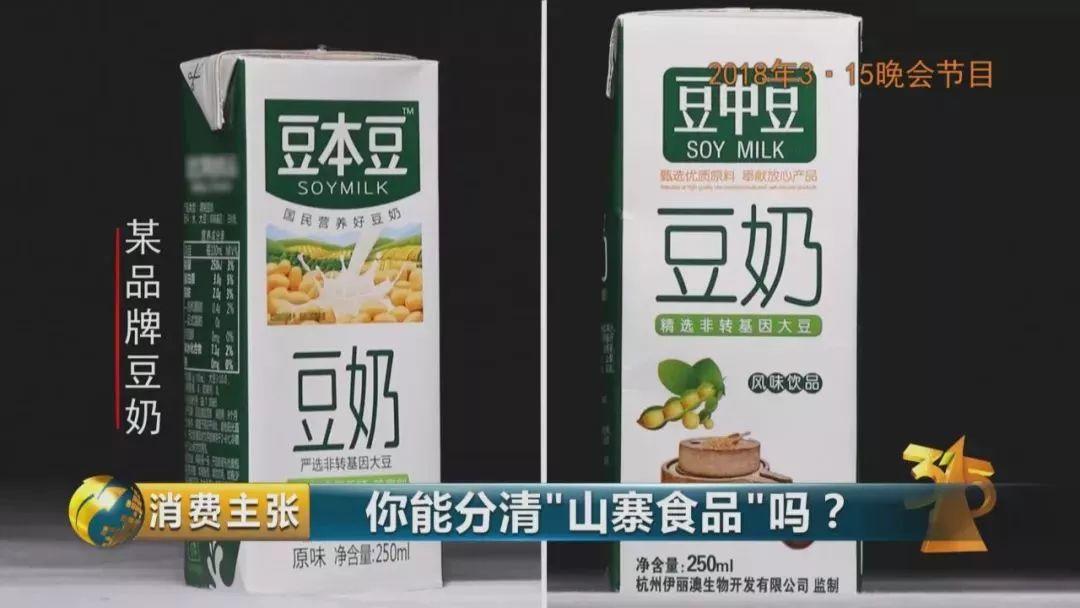
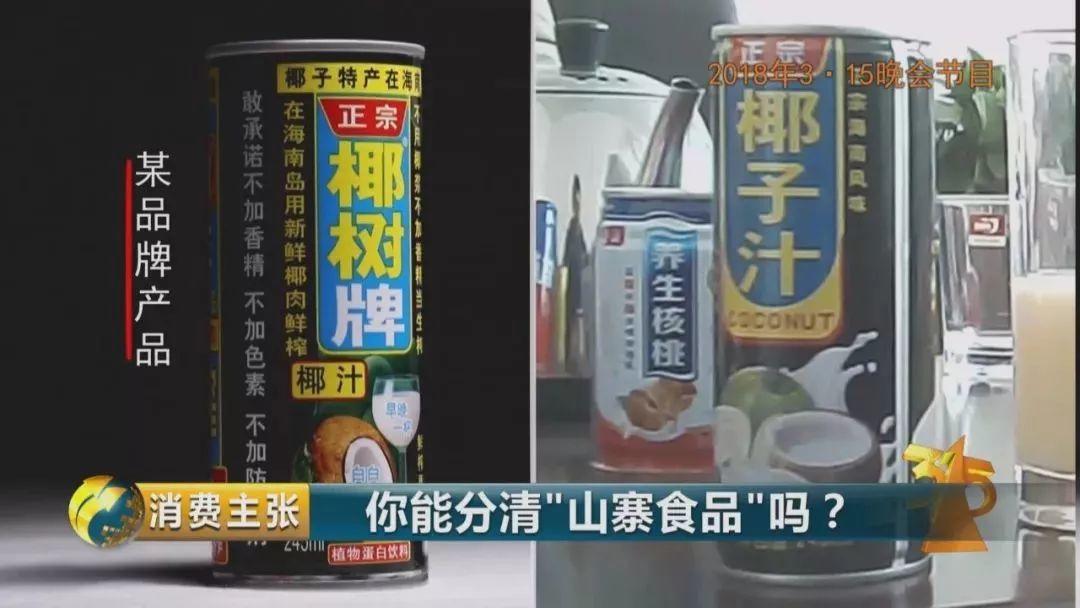
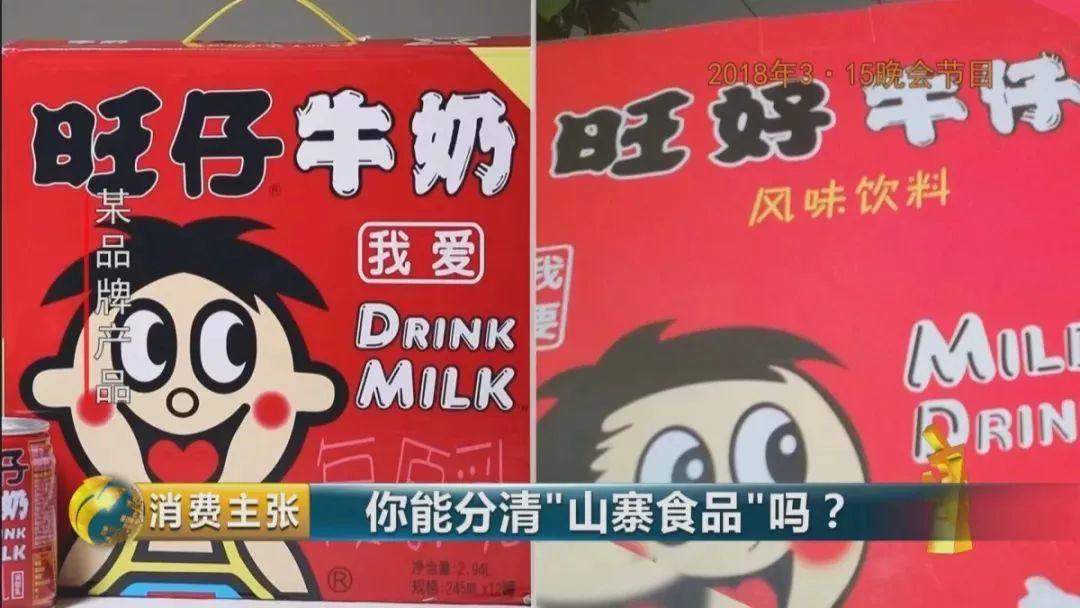
Can you distinguish a difference 

between the two patterns 

in each picture below?

OMG! 35,000 Fake Restaurants Found on China Food Delivery Apps!

OMG! 35,000 Fake Restaurants Found on China Food Delivery Apps!

OMG! 35,000 Fake Restaurants Found on China Food Delivery Apps!

OMG! 35,000 Fake Restaurants Found on China Food Delivery Apps!

Some surveys have found that 

some “fake” foods are 

selling well in some places.

OMG! 35,000 Fake Restaurants Found on China Food Delivery Apps!

OMG! 35,000 Fake Restaurants Found on China Food Delivery Apps!

OMG! 35,000 Fake Restaurants Found on China Food Delivery Apps!

OMG! 35,000 Fake Restaurants Found on China Food Delivery Apps!

What would you do 

in such a situation?

Is it to eat humble pie?

Or stand up to “fight fake”?

China Just Approved Foreign Investment Law!

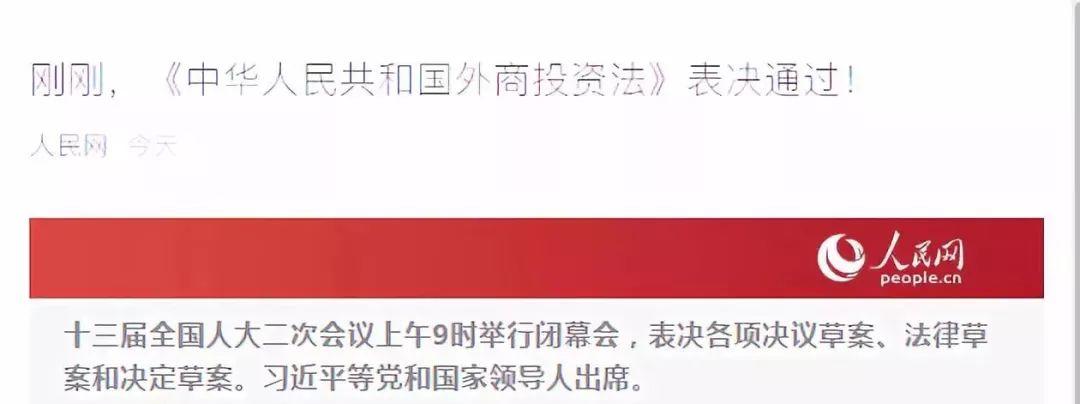
Just now! Foreign Investment Law was officially approved in the second session of the 13th NPC! How does this new Foreign Investment Law affect the foreigners in China?

Let’s see!

↓↓↓

China Just Approved Foreign Investment Law!

© Image | 人民网

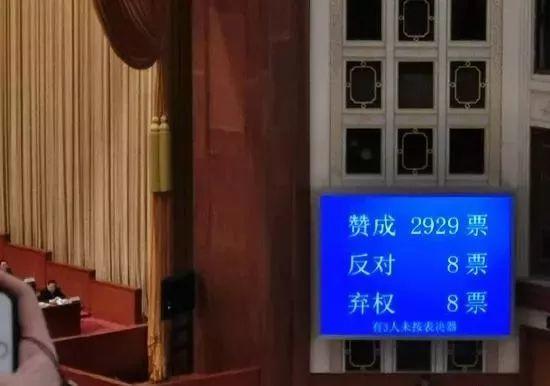
The final draft of foreign investment law was approved by 2929 National People’s Congress lawmakers in the Great Hall of the People, with 8 opposing the measures and 8 abstaining.

China Just Approved Foreign Investment Law!

© Image | 环球网

The new law will come into effect on January 1, 2020.  

1
Process, Attempt, Fear

The new law was first introduced as a draft in 2015, but its progress picked up markedly since the middle of last year to address issues in the key to the US-China trade war.

The Chinese government appears to have rushed through the investment law as an olive branch to the US amid trade war negotiations.

China Just Approved Foreign Investment Law!

© Image | Google

However, many in the business community here in China see this law as a kind of sweeping set of intentions rather than a specific, enforceable set of rules. 

They fear it could be open to different and changing forms of interpretation.

2
What does foreign investment mean?

Investment activities directly or indirectly conducted by foreign natural persons, enterprises and other organizations.

❶ A foreign investor establishes a foreign-funded enterprise independently or together with any other investor

❷ A foreign investor acquires shares, equities, property shares or any other similar rights and interests of an enterprise within the territory of China

❸ A foreign investor invests in any new construction project independently or together with any other investor

❹ Investments stipulated in laws, administrative regulations, or defined by the State Council

3
How doing business will change?

The bill will eliminate the requirement for foreign enterprises to transfer proprietary technology to Chinese joint-venture partners and protect against “illegal government interference” – major sticking points in the trade negotiations.

China Just Approved Foreign Investment Law!

© Image | Google

It also promises to abolish the “case-by-case approvals” process for foreign investments, officials say.

The changes will ensure that foreign investors will enjoy the same privileges as Chinese companies in most sectors.

4
Amend/attempt
  • Government procurement covers both goods and services;

  • Strengthen accountability for intellectual property infringement;

  • Make it clear that “administrative personnel shall not disclose trade secrets“;

  • Adjust the provisions of relevant chambers of commerce and associations;

  • The law is also applicable to company law and partnership enterprises law;

  • The state council is authorized to formulate specific implementation measures for the transition of foreign-invested enterprises;

  • Show the requirements of “streamline administration, delegate powers, and improve regulation and services“.